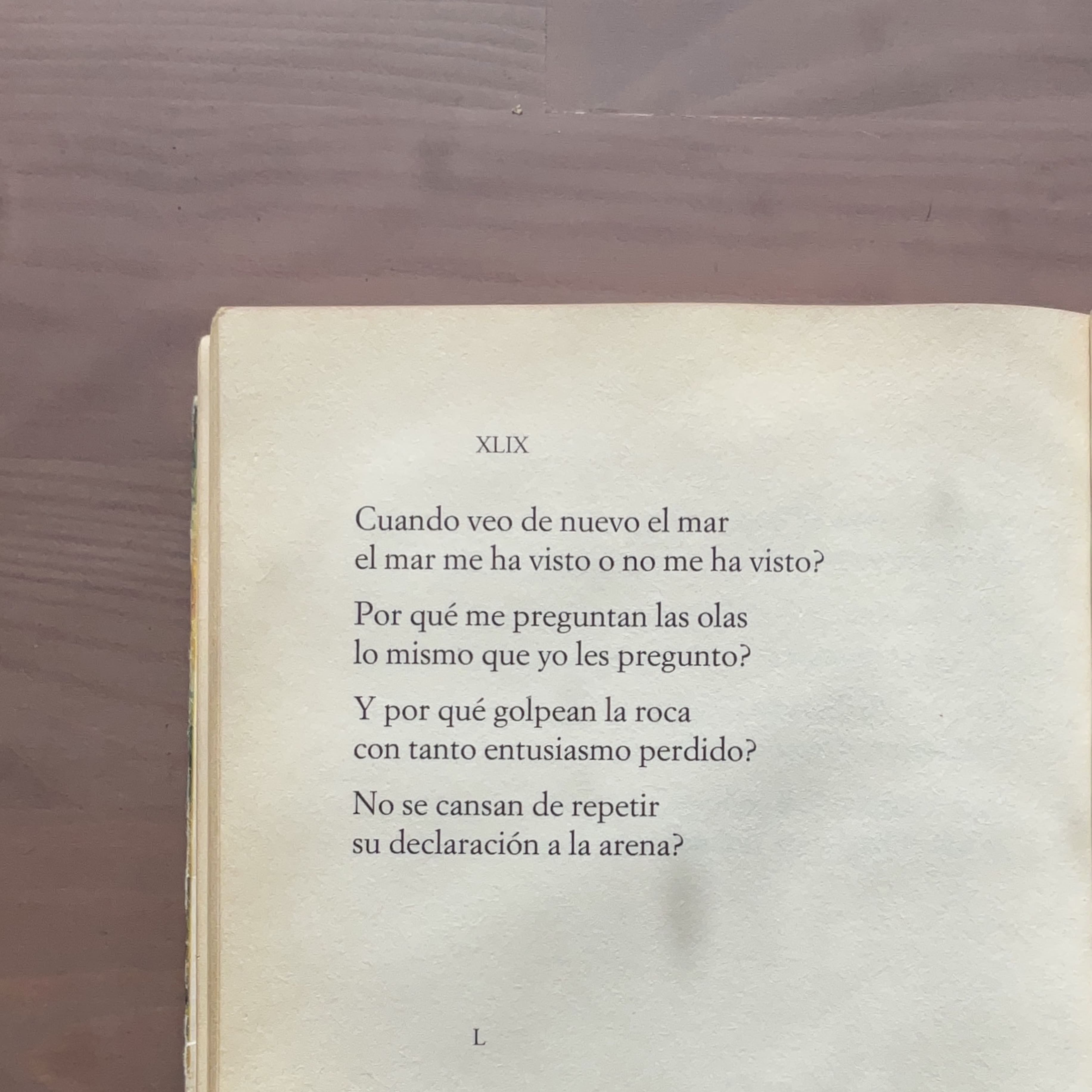
A POEM FROM THE BOOK OF QUESTIONS BY PABLO NERUDA
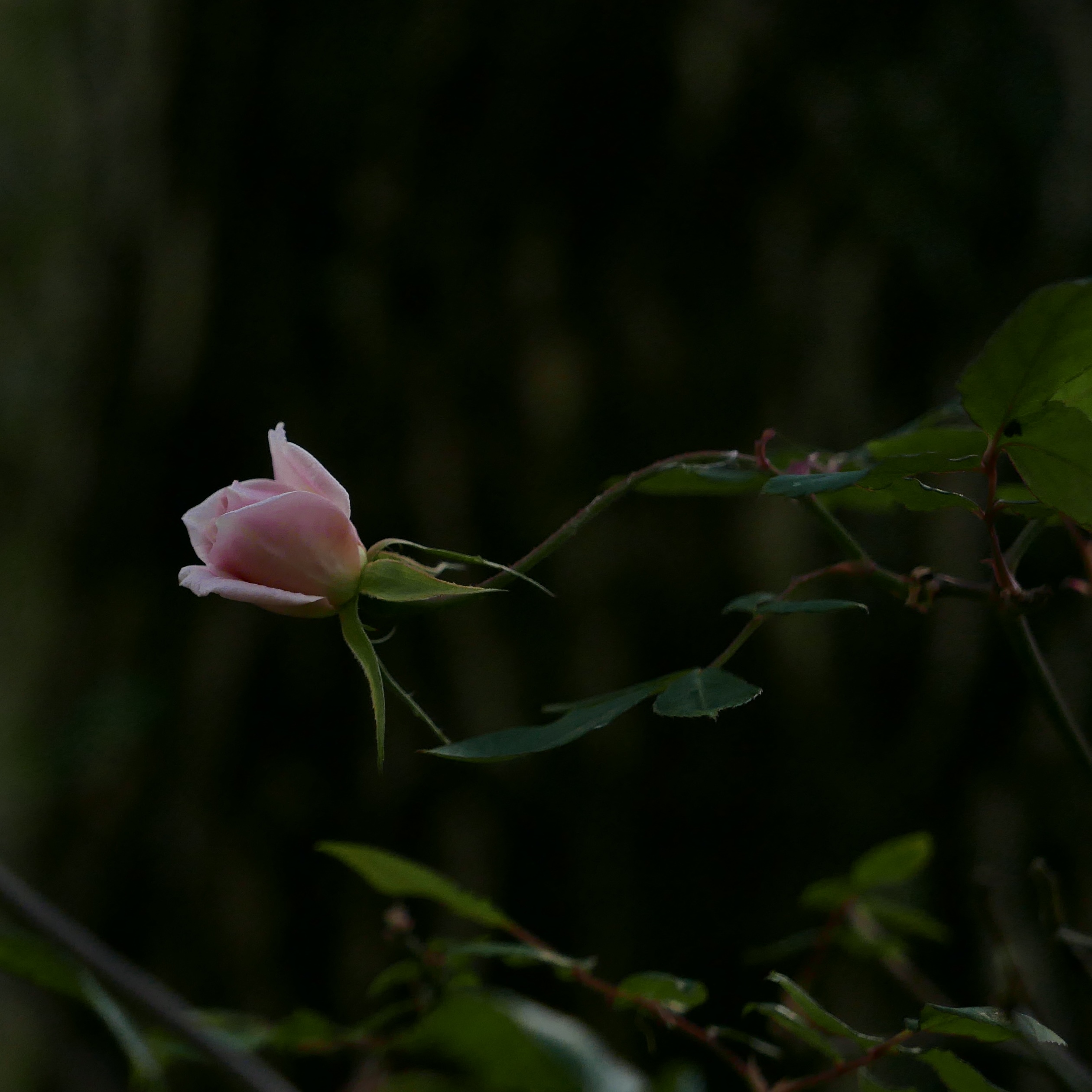
Beauty is one of the most profound and universal concepts, yet it remains intimately personal and subjective. Across cultures and centuries, it has been explored, celebrated, redefined and used as a medium to represent the divine, the spiritual, and the mysteries of our existence.
It is a dance of harmony, a spark of inspiration, and an echo of truth. And despite differences in what we consider beautiful, the fundamental desire for beauty is a shared aspect of being human, making it an enduring and omnipresent pursuit.
On the one side, in seeking beauty, we are drawn toward something greater than ourselves—a glimpse of an ideal, a whisper of purpose, a trace of something more profound. This is the same hunger that drives us to search for meaning, to find our place, to transcend the ordinary.
And on the other side, to chase beauty is to confront the profoundness of our own soul: What moves me? What speaks to the depths of my being? What do I find meaningful? What defines my truth? These are the same questions that guide the pursuit of self.
In the words of Plato:
"Beauty lies in the eyes of the beholder."
Beauty is not just something we observe, it is something we become. The pursuit of beauty is the pursuit of the truest version of oneself, shaped by the intimate dialogue between our inner world and the world we perceive.
Beauty possesses a remarkable power to engage, captivate, and connect individuals on both an emotional and intellectual level. Its ability to draw us in and hold our attention is a testament to its profound significance in human experience. Beauty has a magnetic quality that attracts people and builds communities. As seen in creations that stand as lasting symbols of human achievement and in landmark creations that symbolize collective pride.
Beauty heals, it brings moral and spiritual redemption, it acts as a force that uplifts humanity. Embracing beauty is equal to embrace the relationship with yourself, and with the world around you.
In the words of Henry David Thoreau: ”This earth which is spread out like a map around me is but the lining of my inmost soul exposed.”
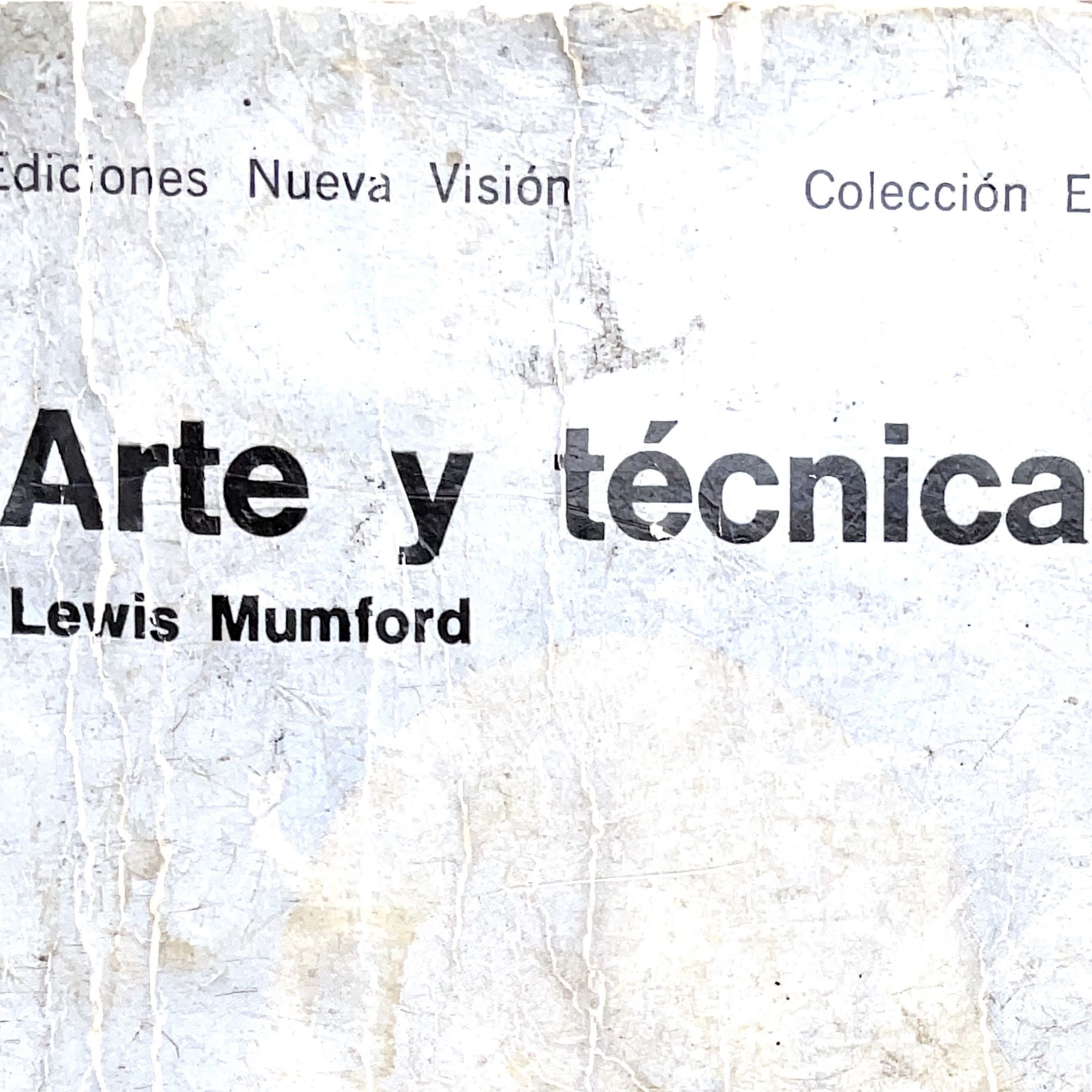
...there is a third stage in the development of art: this is the transition from self-love and exhibitionism, from technical virtuosity and courtship, to mature love, capable of giving and taking, of capturing and surrendering, of forming a union that will bring forth a new life. In the third stage, the artist says, through his symbols: Whatever I have shall be yours; whatever life has given me I shall put at your feet, not for any ulterior reward, but because I love you and wish to serve you. I have nothing to hide: you shall know the worst as well as the best, and through art bless both sides of life. Let us share this gift together; and with your help, it will live and grow. This is the stage of full maturity, the stage that only great art reaches, for in both the artist and his community it demands a certain dedication, indeed a certain sacrifice, that sets it off from the more decorative and pleasurable phases of art. At this stage, the esthetic symbol becomes detached from the immediate life of the artist; after draining to the utmost his vitality, it starts, as it were, on an independent career of its own; or perhaps it would be truer to say that the artist’s self dissolves into the work of art and transcends the limitations of his personality and culture. When art rises to this stage, the artist feels himself the instrument and agent of a higher force: the final triumph of the person is to lose himself in this act. That is the moment of mature and fruitful love, when with his whole person the artist embraces life as a whole and embodies it in symbols that reconcile its tragic contradictions and release its fullest potentialities.
Lewis Mumford, Art and Technics (New York: Columbia University Press, 1952), 28–29, in "Art and the Symbol".
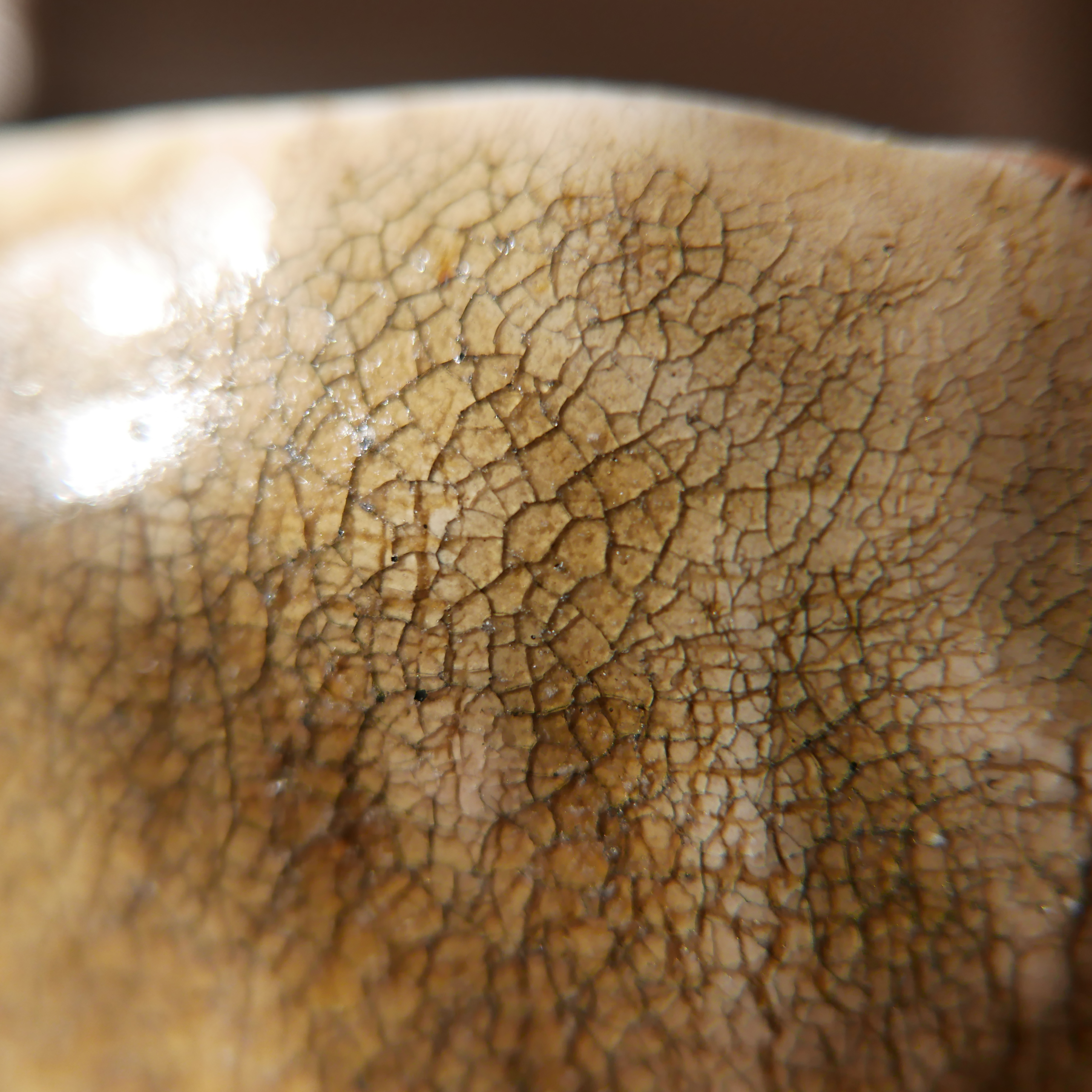
Let the alchemy of fire and earth transform your stoneware pieces into something extraordinary.The following glaze recipe has been crafted with natural resources and will give your ceramics the ability to catch and concentrate light in the most exquisite way, is a golden crackle translucent-like glaze that resembles the color and warmth of the sun:
INGREDIENTS⁚
Volcanic pumice stone ash 60%⁚ superficial lava from the eruption of a volcano. For the sake of this recipe, volcanic ash is our core, very very important for vitrification, this is the component who is going to get really, really fluid inside the kiln, and fuse everything together on the glaze.
Quartz 20%⁚ our raw source of silica, helps in vitrification but mostly has to do with the glaze fit, it controls the thermal expansion of the glaze. The right percentage of silica in a glaze will allow the glaze shrink (or not) along with the clay body when the kiln cools.
Whiting 15%⁚ this is a finely ground powder composed essentially of pure calcium carbonate derived from sedimentary rocks such as Chalk or Limestone. It lowers the melting point of the glaze and makes it easier to melt. Adding the right amount of calcium carbonate to the glaze can make it more see-through to better display the texture of the ceramic body.
Dolomite 5%⁚ apart from being a double calcium magnesium carbonate, is an effective flux that facilitating easier sintering, giving a silky and pleasant to the touch texture to the ceramic piece.
To get the golden shade you should add an extra 1% of Red Iron Oxide to the mixture, do not add more than that or you risk making your glaze too runny.
METHOD⁚
First mix the dry materials, then add water. For small batches the recommendation is to start with 1/4 cup of water for each 100g of dry mixture, for higher volumes start with a ratio 8:10 water to dry glaze dust, you can adjust this ratio to get a thicker or thinner glaze application. Remember to sink the stoneware pieces for at least 3 seconds under the glaze, you should see a thick layer of glaze on the pieces before you fire them. Fire up to cone 10 in oxidation atmosphere, cool down naturally.
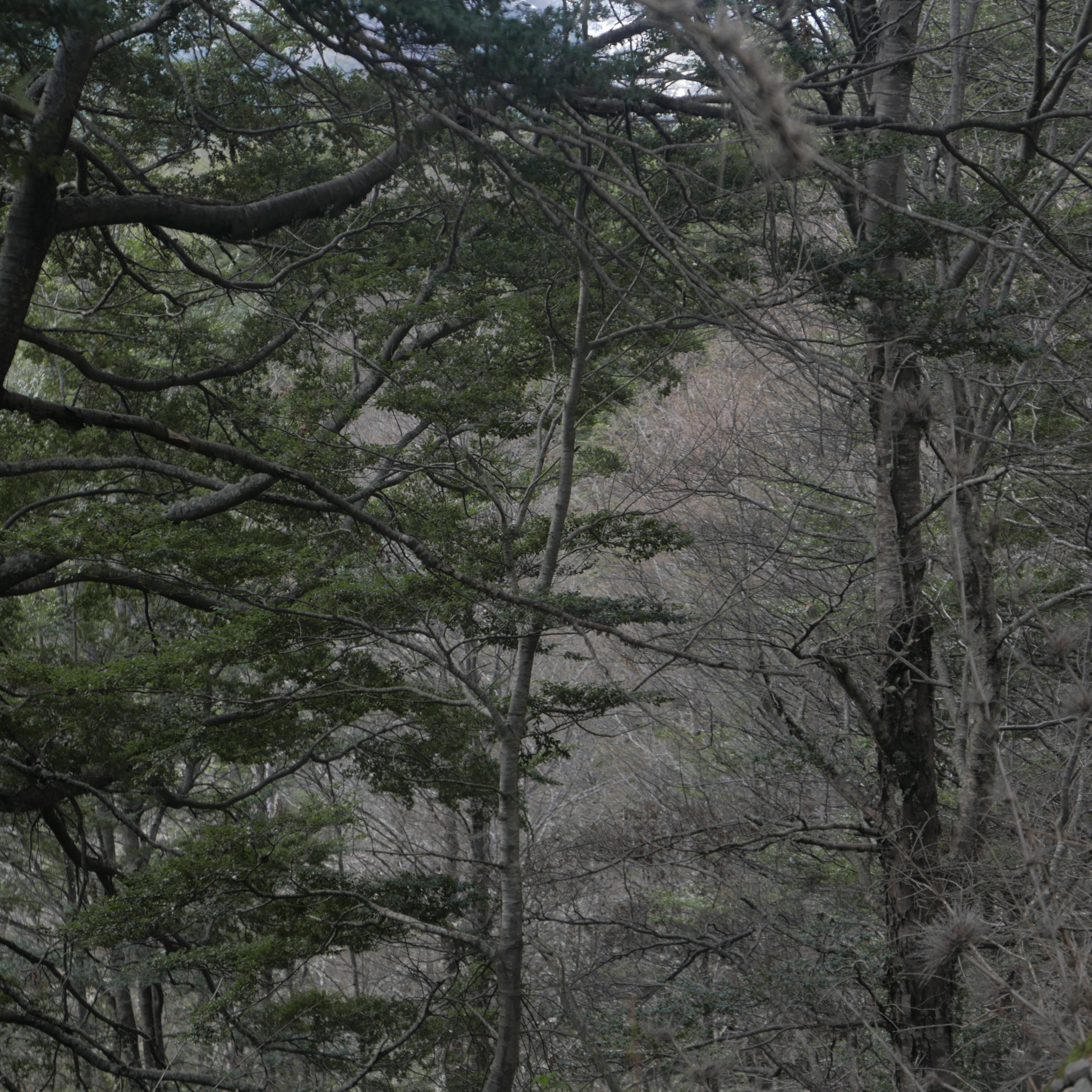
Art buyers are as diverse as the art they collect, yet they share certain traits that set them apart. These individuals are claimants of the richness of human experience, beauty and meaning. Their appreciation for art reflects their capacity to pursue aesthetic and intellectual stimulation.
They are individuals who are deeply attuned by emotion and recognize the value of investing in the work of artists and craftspeople. They embrace the idea that buying art is not only a personal investment but also a societal one. By choosing to surround themselves with art, these individuals also contribute to civilization itself.
As collector Eli Broad stated, “Civilizations are not remembered by their businesspeople, bankers, or lawyers. They’re remembered by their arts.”
People who buy art often know that their surroundings influence their state of mind, believing that, as artist Pablo Picasso famously said: “Art washes away from the soul the dust of everyday life.”
Incorporating art and crafts into everyday life can nurture mental well-being. Handmade objects often have an organic warmth and tactile quality that mass-produced items lack. These creations remind us of the value of patience, skill, and dedication. Whether it’s a ceramic vase, a handwoven textile, or a painting that speaks to your soul, these pieces anchor us in the present and encourage mindfulness. They serve as gentle reminders to slow down, appreciate beauty, and celebrate imperfection, qualities that are increasingly rare in a fast-paced, digital world.
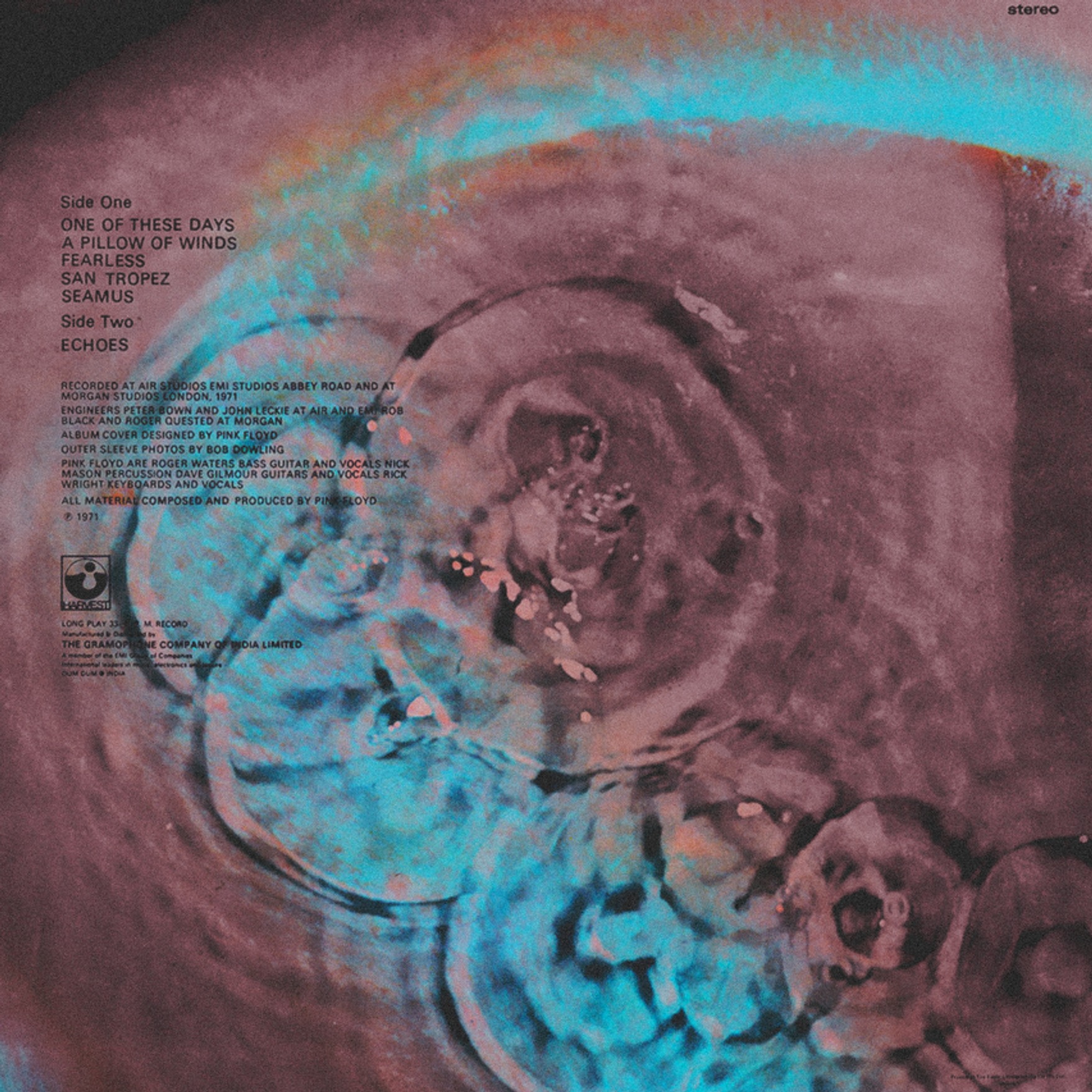
Echoes is a single by the English progressive rock band Pink Floyd, released in 1971 as the last track on their album Meddle. Here is Muhammad Iqbal's poem “Two Planets”, used as inspiration for the actual song:
Two planets meeting face to face,
One to the other cried, ‘How sweet
If endlessly we might embrace,
And here for ever stay! how sweet
If Heaven a little might relent,
And leave our light in one light blent!’
But through that longing to dissolve
In one, the parting summons sounded.
Immutably the stars revolve,
By changeless orbits each is bounded;
Eternal union is a dream,
And severance the world’s law supreme.
MUHAMMAD ALLAMA IQBAL
"Two Planets"
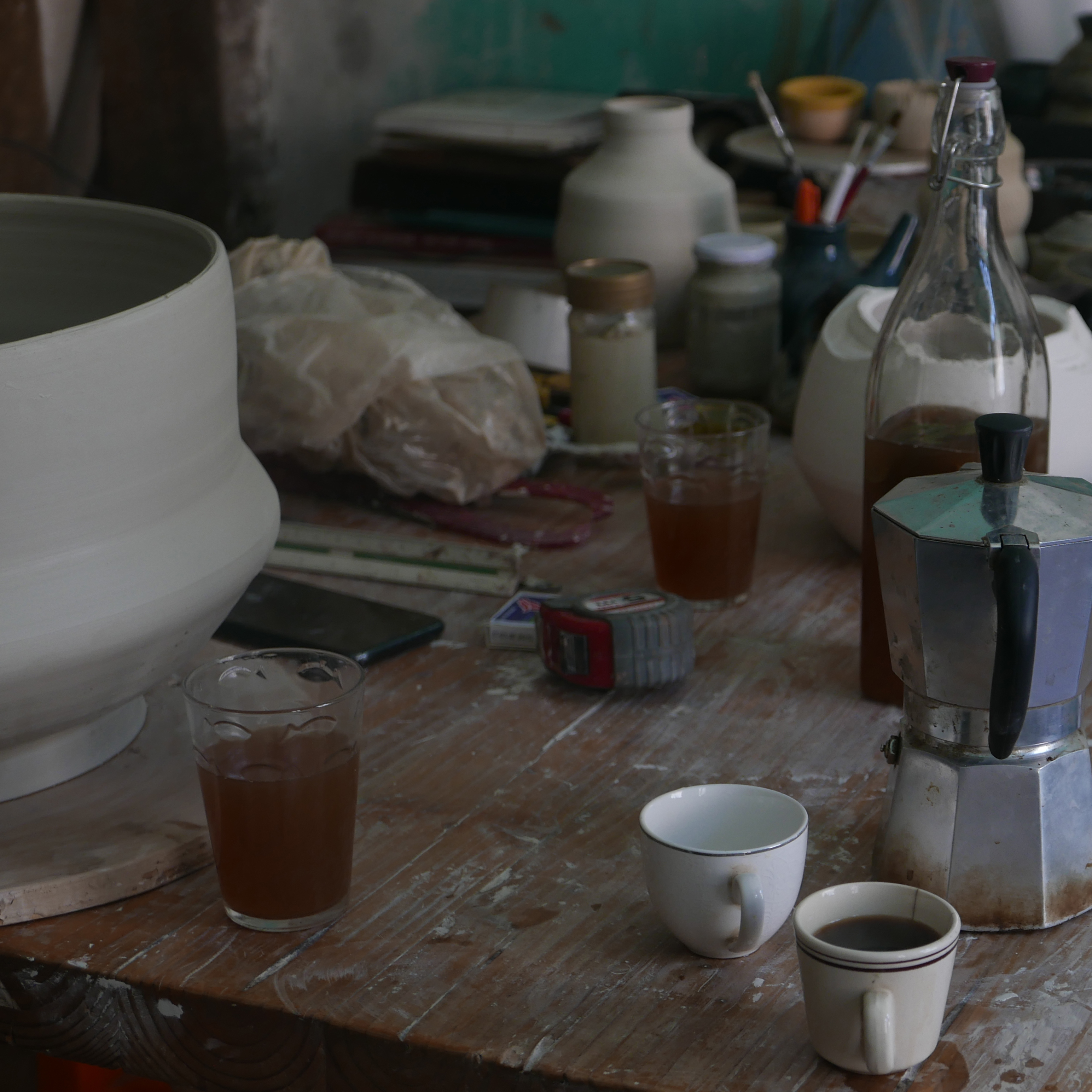
Working with one's hands brings a sense of craftsmanship, which is essential for personal satisfaction, self-realization and well-being of communities.
Craft is the meeting point between human limitations and holy fulfillment. By handwork we invite meditation to our daily life when we focus our attention and operate in a state of deep awareness, with mindful and intentional actions. The art of crafting connects us to the world of presence, a world that is often missing in modern, information-centric societies.
In crafts, beauty is tremendously useful. In crafts, beauty and uniqueness add value and significance to any particular object. In crafts, objects carry a certain intention and a certain energy. A consciously made object always stands out over mass-produced objects.
Crafting is essentially a spiritual practice. Through craft we transmit our essence to the object, expanding our existence beyond the limits of our body. Therefore working by hand is also the means by which the soul becomes visible. When it comes to crafting, the duality among nature and artifice (such as the complimentary duality between material and tool), turns into one in the resultant object. Is through art and craft that we humans fully embody the Creator, acknowledging and embracing the fact that we have been created in the image of God, created to create. Crafts are a path to surrender to our instinct of creation, the primary instinct we enjoy.
Here are a few inspirational quotes to open the speculation on the essential importance of soul-cleansing handwork techniques, not only for the creation of tangible objects, but also for their vital role in human culture, identity, and evolution:
1. The evolution of man depends as much on the development of his hands as on his capacity for thought. Indeed, the development of the brain is directly related to the development of the hand. It is not surprising, then, that Martin Heidegger, a 20th-century thinker, relates the hands to thinking in one of his most well-known essays: What is Called Thinking?:
"The essence of the hand can never be determined or explained solely as that of an organ that grasps [...]. Every movement of the hand in each of its actions leads to thought; every burden of the hand sustains itself in the element. Every action of the hand is rooted in thought.”
Juhani Pallasmaa, in The Thinking Hand: Existential and Embodied Wisdom in Architecture.
2. We make a connection with tools between our mind and our hands. I think this connection is one that is required for us to feel right. I believe that long ago we learned to think by using our hands, not the other way around. Our hands could make movements that gave us advantage and our brains started to develop around these concepts. Tools allow us to consider cause and effect: the lever, the wedge, the hammer. They allowed us to build and to make things in order to survive and later to live better.
Gary Rogowski, in Handmade: Creative Focus in the Age of Distraction.
3. In my experience, when we surrender all to the greatest Artist, that Artist fills us with the Spirit and makes us even more creative and aware of the greater reality all about us. By "giving up" our "art" we are, paradoxically, made into true artists of the Kingdom [...]. Unless we become makers in the image of the Maker, we labor in vain.
Makoto Fujimura, in Art and Faith: A Theology of Making.
Red, the color of blood, attracts the most attention because is vibrant, stimulating and exciting. Red affects us on a physical level, it raises our pulse rate, makes us motivated, and gives us a sense of power, courage and strength. It symbolizes some of the most powerful human emotions: passion, desire and lust.
Over the centuries of the ancient times, broad mastery of red was elusive. Most of the few natural substances that produced this color fell short (madder roots, brazilwood, archil lichens or cow dung). True reds proved rare, making this evocative pigment even more treasured.
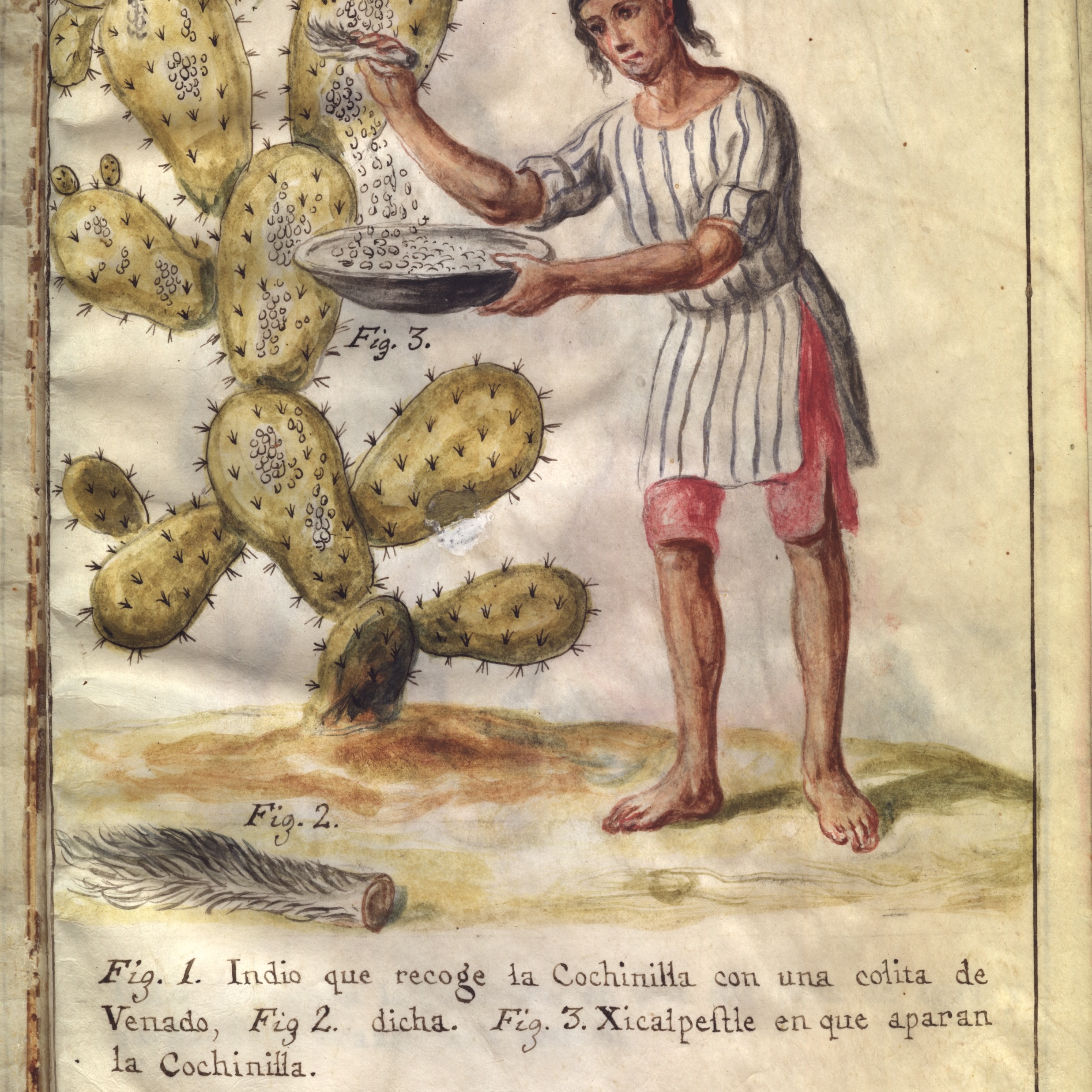
By fortune, as early as 700 BCE, the Incas and Aztecs discovered cochineal as a source of red pigment: one of the raddest dyes that the natural world has ever produced.
“When the Spanish conquistador Hernán Cortés entered the Aztec capital of Tenochtitlán in 1519, he found its markets full of bales of delicate yarns dyed in a sensational crimson red. It turns out the Aztecs afforded enormous prestige to cochineal, and tributes paid to the emperor Montezuma by each state were bags containing millions of dried cochineal. After the Spanish conquest of the Aztec empire, cochineal also became a very important export for the Spanish. They protected their exclusive supply by disguising the red dye's origins in mystery, spreading the story that cochineal was a pea-like vegetable. This is more plausible than it might sound, as the dried insects look very much like shrivelled berries. This deliberate misinformation made cochineal production one of the best-kept trade secrets of all time. It became the third-greatest traded product from the New World, after gold and silver. Even today, the only crop in Latin America that can compete with cochineal in price is cocaine.”¹
The Aztecs named this red-like natural pigment as Nocheztli, from the Nauhatl words Nochtli (cactus) and Eztli (blood). A natural dye produced by cochineal, insects found in the Prickly Pear, also known as Nopal cactus. Around 14.000 insects are needed to make just 100 grams of red lake pigment and depending on the Ph of the medium to be dyed, cochineal lake can result in a wide variety of reds: meaning the whole spectrum from warm scarlet to cool crimson.
1. COLES, David; "Cochineal"; in "Chromatopia: an Illustrated History of Color"; Editorial Thames & Hudson Ltd, United Kingdom, 2018.
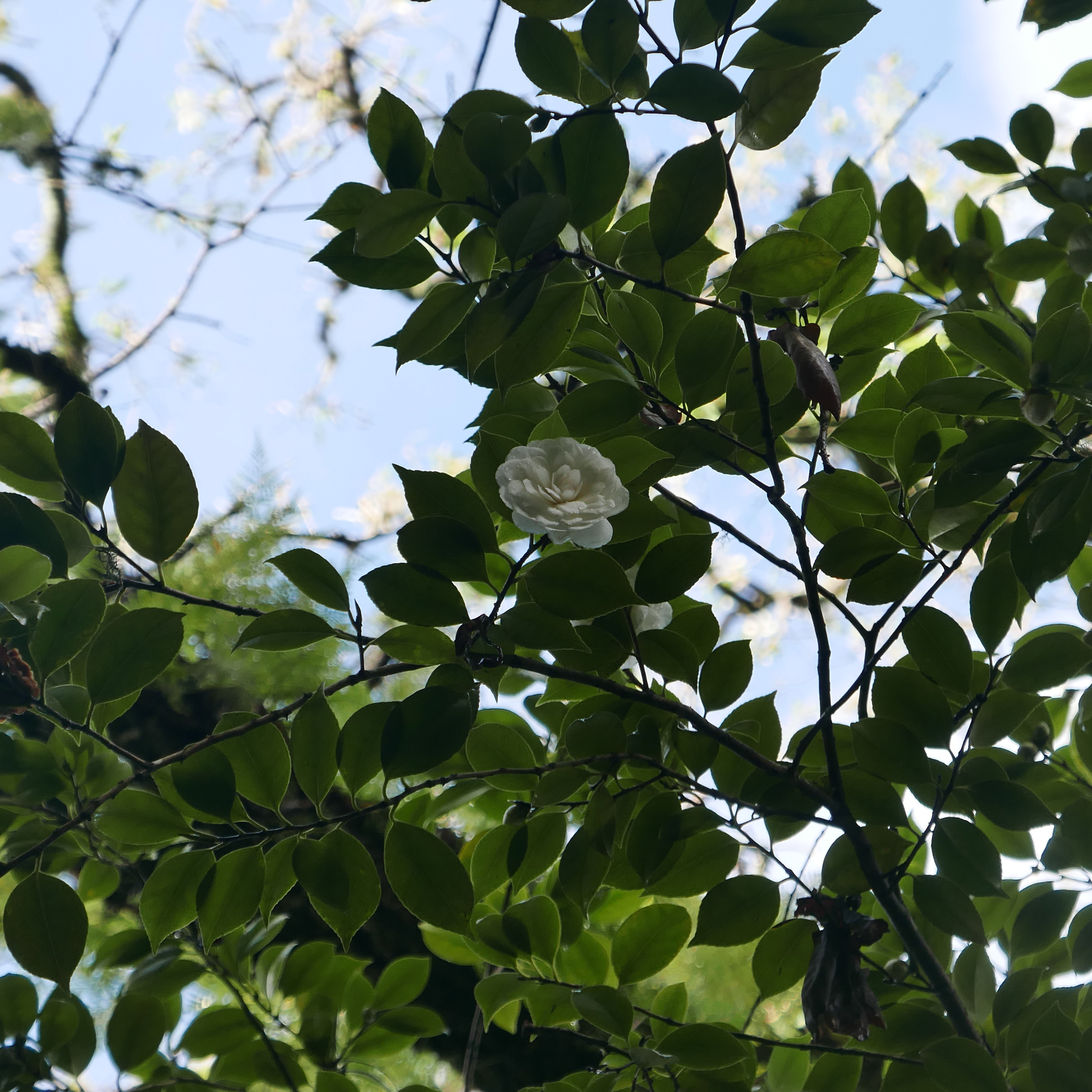
Em todos os jardins hei-de florir,
Em todos beberei a lua cheia,
Quando enfim no meu fim eu possuir
Todas as praias onde o mar ondeia.
Um dia serei eu o mar e a areia,
A tudo quanto existe me hei-de unir,
E o meu sangue arrasta em cada veia
Esse abraço que um dia se há-de abrir.
Então receberei no meu desejo
Todo o fogo que habita na floresta
Conhecido por mim como num beijo.
Então serei o ritmo das paisagens,
A secreta abundância dessa festa
Que eu via prometida nas imagens.
SOPHIA DE MELLO BREYNER ANDRESEN
"Em todos os jardins"
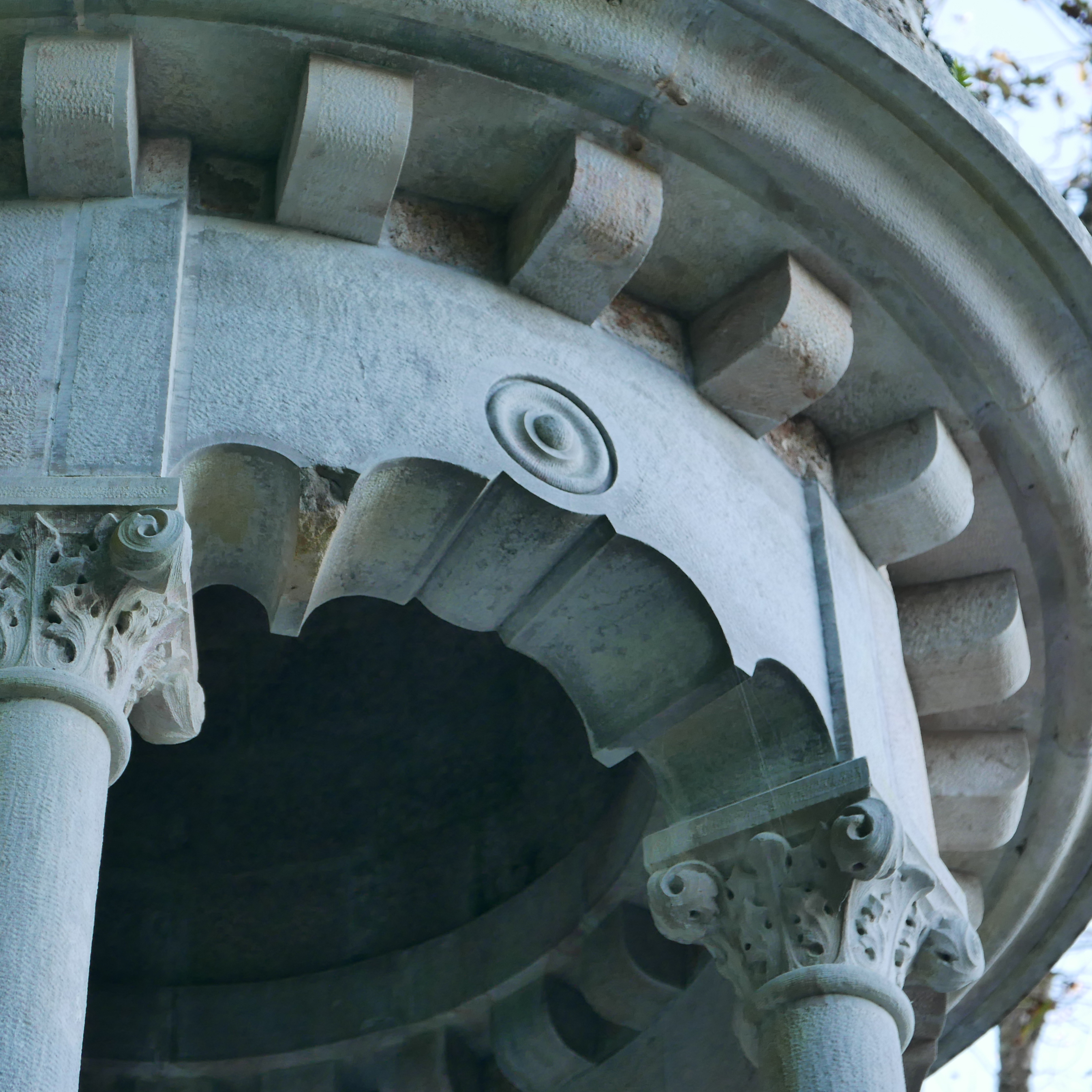
There are many ways to enter the sphere of art. One can enter it through the study of history, philosophy or aesthetics. He who is more modest approaches and finds access to it for the love of art.
"Art unfairly bears a bad reputation of being nothing more than a sorcerer who can transport those who wish to escape life, the weary of action, to the golden empire of dreams. Ah, no! Art is something else and very different. The values that are cherished in its kingdom: truth, purity, sacrifice and persistence, conviction of one's own ideas and creative will, are elevated values, capable of granting dignity and order upon any existence."¹
"No one can escape from art. Even if someone takes the rosy wings of the dawn and flies to the most extreme sea, between the snows of the Arctic and the Antarctic, as under the palm trees of the southern islands, everywhere he will find men whose hands know how to form and adorn weapons and utensils, canoes and clothing, according to a law that arises from the deepest part of their being and that guides them beyond the useful and the necessary."²
The past of mankind is diffuse "...peoples migrated; entire races left the regions in which they were settled, without us really being able to determine what external or internal forces determined such movements. Some gods were prayed to, others were overthrown. What men deemed worthy of belief was a value in constant change.
One generation follows another, the army of the dead grows and grows... But something new and alive always springs forth from the bosom of Nature, and the blessing of an artwork is engendered in the hands of man. When we ask about the culture of peoples long since swept from the face of the earth by the hurricane of history, the answer can only be given by their artistic monuments."³
Art is also a tool of transcendence, it serves to extend existence. "We can only explain the power of art if we admit that it comes to satisfy a primary need of the human spirit. The impulse towards life is the strongest of man's instincts."⁴
The origin is a single polarised source of infinite attraction and repulsion from which all things emerge and return, a dot with potential, a primitive gesture of existence, the root. The origin is the very center.
The origin is a notion of limit, it can appear as a straight line, with beginning and end, both extremes of this line then meet, merge, and form a circle, then the beginning, the end, and the limits become blurred, the cycles and the rhythms of life are constituted.
The shape of our lives is essentially circular. We must be open to the full orbit of the compass: from the origin of the circle we can extract whatever we focus on, we must only have conviction for a purpose.
Emptiness is rich in opportunities, everything can happen within it. How much empty space is there in our lives?... Why do we try to fill it? Isn't this space a vortex to observe who we really are? To connect with our own origin?
1. WAETZOLDT, Wilhelm; "No hay que temer al arte" ("There's No Need to Fear Art"); in "Tú y el arte" ("You and Art"); Editorial Labor, Barcelona, 1949.
2. WAETZOLDT, Wilhelm; "El milagro del arte" ("The Miracle of Art"); in "Tú y el arte" ("You and Art"); Editorial Labor, Barcelona, 1949.
3. WAETZOLDT, Wilhelm; "El milagro del arte" ("The Miracle of Art"); in "Tú y el arte" ("You and Art"); Editorial Labor, Barcelona, 1949.
4. WAETZOLDT, Wilhelm; "El milagro del arte" ("The Miracle of Art"); in "Tú y el arte" ("You and Art"); Editorial Labor, Barcelona, 1949.